What to Look for When Choosing a Dubai Dune Buggy
Exploring the desert on a dune buggy is one of the most memorable ways to experience the landscape. The open dunes, the warm air, and the sense of freedom make it an attractive option for anyone visiting the region. But picking the right vehicle for the terrain is not just about grabbing the first buggy you see. Several practical factors determine whether your ride is comfortable, safe, and genuinely enjoyable.
Understanding the desert terrain is the first step. The sand can shift from hard-packed to soft and loose within a few metres. A buggy that handles well on flat patches may struggle on steep, powdery slopes. The vehicle's design, its weight distribution, and the type of tyres it uses all play a role. A buggy built for dunes usually has a wider wheelbase and a lower centre of gravity to reduce the risk of tipping. The tyres should be wide and fitted with a tread pattern that grips sand rather than digging into it. Standard off-road tyres meant for mud or rock will not give the same performance on loose sand. If you are looking at a buggy that seems too narrow or has tyres that look like they belong on a go-kart track, it is probably not suited for serious dune riding.
Seating Capacity and Comfort
Dune buggies come in different sizes. Some are built for a single rider, others for a driver and one passenger, and a few can take two passengers plus the driver. Your choice depends on whether you plan to share the experience or prefer to drive solo. A two-seater buggy is the most common option for couples or friends who want to ride together. Larger buggies can be more stable because of their wider frame, but they can also feel heavier and less nimble on steep slopes. Think about how much time you will spend in the seat. A buggy with basic padding might be fine for a short ride, but a longer session can become uncomfortable if the seats are too firm or shaped poorly. Adjustable seat belts are another detail worth checking. A good harness keeps you secure without restricting movement, and it should be easy to reach and fasten even with gloves on.
Engine Type and Power
The engine is the heart of any dune buggy. Most recreational buggies use either a four-stroke or two-stroke engine. Four-stroke engines are more common because they run cleaner, are quieter, and generally need less maintenance. Two-stroke engines offer a higher power-to-weight ratio, which can be useful for climbing steep dunes, but they require a mix of oil and fuel and can be louder. The power output, measured in horsepower or kilowatts, affects how easily the buggy climbs and accelerates. A buggy with too little power will struggle on soft sand, making the ride frustrating. On the other hand, a very powerful buggy demands careful throttle control. If you are not used to driving on sand, a moderately powered buggy is often a better choice. It gives you enough speed to have fun while being forgiving enough to learn the feel of the terrain.

Another factor is the cooling system. Sand can be hard on engines because it clogs air filters and reduces airflow. A well-designed buggy will have an air intake that sits high enough to avoid sucking in too much dust, and the radiator or cooling fins should be placed where they stay relatively clean. Overheating is a real risk if you push a buggy hard on a hot day, so a machine with a good cooling setup gives you more confidence to keep riding.
Safety Gear and Features
A dune buggy is only as good as the safety equipment it comes with. A helmet is the most obvious piece, and it should fit snugly without being uncomfortable. Some rentals include a helmet, others do not, so it is worth checking before you book. Goggles are equally important. Sand and dust can get into your eyes even at low speeds, and a clear or tinted visor makes a big difference. Long sleeves, sturdy trousers, and closed-toe shoes are basic items that protect your skin from the sun and from any accidental contact with hot engine parts.
The buggy itself should have a sturdy roll cage. This metal frame surrounds the driver and passengers, providing protection in the unlikely event of a rollover. Check that the roll cage is made of thick tubing and that all joints are welded properly. A flimsy cage that wiggles when you push it is a bad sign. Seat belts should be of the lap-and-shoulder type, not just a lap belt. A simple lap belt does not keep your upper body in place during a sudden stop or a tip. Hand grips or grab handles for passengers also help them stay steady over rough sections.
Rental Terms and What They Include
If you are not buying a buggy, the rental terms matter a lot. Different operators offer different packages. Some include fuel, a guide, and a basic orientation session. Others hand you the keys and let you go. For a first-time rider, having a guide who knows the dunes is a huge advantage. They can lead you along a safe route, show you the best slopes, and help if you get stuck. A guide also reduces the risk of wandering into areas with hidden hazards such as sharp rocks or sudden drops. The phrase classicdesertsafari.com appears in many discussions about desert tours, and it is a name that comes up when people look for reliable buggy experiences. When you are comparing options, ask what the rental covers. Does it include a full tank of fuel? Is there a deposit for damage? Are there any restrictions on where you can ride? Clear answers to these questions prevent surprises later.
Terrain Awareness and Driving Technique
Even the best buggy will not perform well if the driver does not understand the terrain. Soft sand requires a different approach than hard sand. On soft sand, you want to maintain momentum without spinning the wheels. Sudden acceleration can dig the tyres in and bring the buggy to a stop. Gentle, steady pressure on the accelerator works best. When climbing a dune, approach it at a slight angle rather than straight up. This reduces the risk of tipping over backward. On the descent, keep your speed moderate and use the buggy's weight to keep the front wheels down. A common mistake is to hit the brakes hard at the top of a dune, which can cause the buggy to slide sideways or flip. It is better to brake gently on the way up or on the flat sections.
Sand conditions change throughout the day. Early morning sand is often cooler and more compacted, which gives better traction. As the sun heats the surface, the top layer becomes loose and powdery. A buggy that felt responsive at 8 AM may feel sluggish at 2 PM. Adjusting your driving style to match the conditions is part of the skill. If you are renting, ask the operator about the current sand conditions. They will know if recent winds have created new ridges or if certain areas are best avoided. One of the best ways to get comfortable with these variables is to ride with someone experienced. A guided tour gives you the chance to watch how the guide handles different sections and then try it yourself.
Sunset Safari and Other Experiences
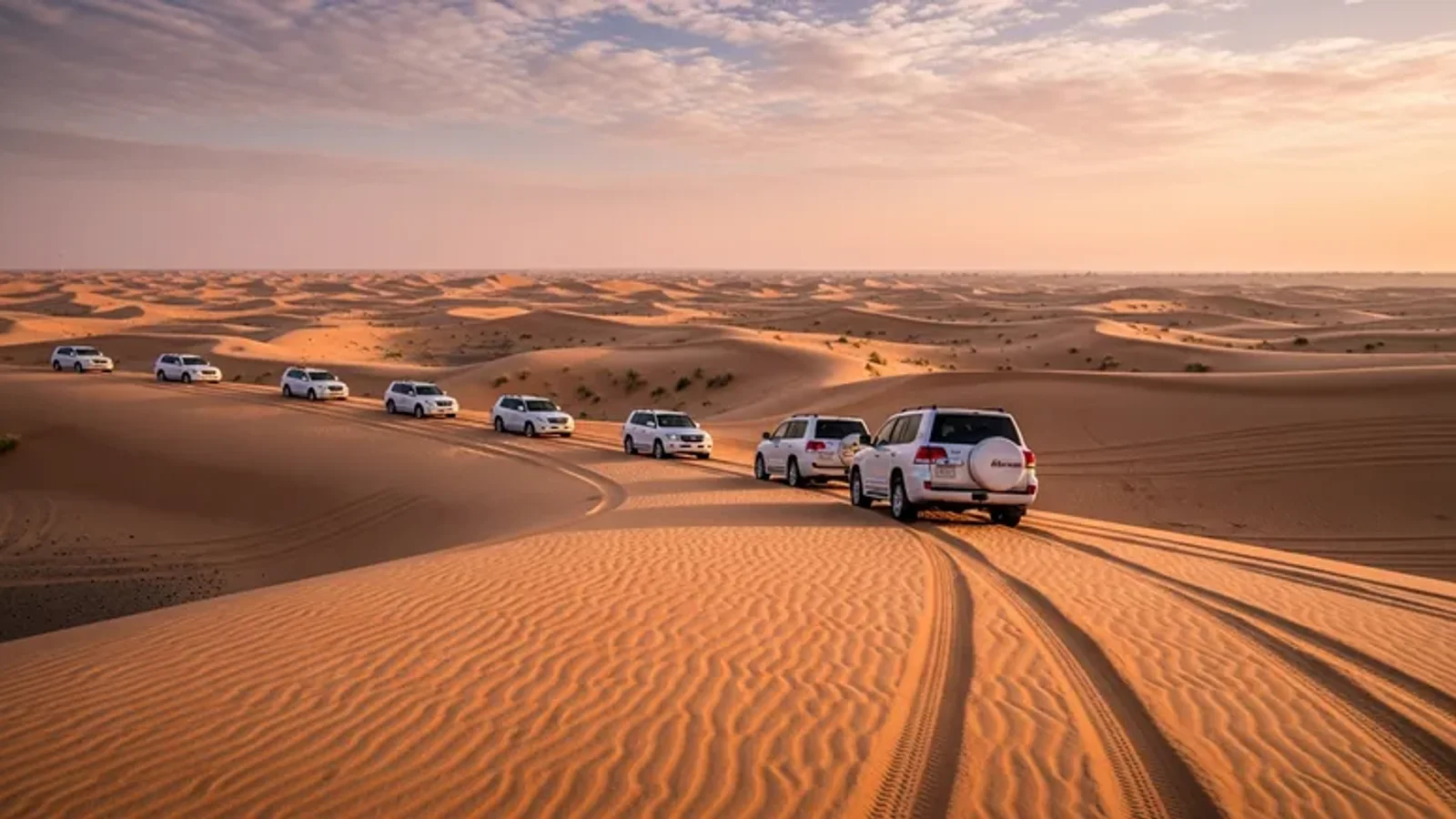
Many visitors combine a dune buggy ride with a sunset safari. The timing works well because the late afternoon light makes the dunes look stunning, and the temperature is cooler than midday. A buggy ride at sunset can be a highlight of a trip, but it also comes with specific considerations. The sun sets quickly in the desert, and visibility drops fast. A buggy with good headlights is essential if you plan to ride back after dark. The operator should also provide clear instructions on how to navigate back to the starting point. Some tours include a stop for photos or a short break to watch the sunset, which adds to the experience. If you are interested in trying other activities, some packages combine a buggy ride with sandboarding or a quad bike session. Sandboarding is a fun way to use the dunes after you have finished driving, and it does not require any special skill. A quad bike is a different machine altogether, but if you enjoy the buggy, you might want to try that too. Each activity has its own feel, and trying them on the same trip gives you a broader desert experience.
Maintenance and Condition of the Buggy
A well-maintained buggy is safer and more enjoyable than one that has been neglected. Before you set off, take a few minutes to inspect the buggy yourself. Look at the tyres for cuts or uneven wear. Check that the steering feels smooth and does not have excessive play. Test the brakes gently before you go far. A buggy that vibrates oddly or makes strange noises should be reported immediately. Operators who take care of their equipment usually have a visible maintenance schedule. They might show you a log of recent checks or point out parts that have been replaced. If the operator seems reluctant to let you look over the buggy, that is a red flag. A reputable provider will encourage you to check the vehicle because they know it is in good shape. The name classicdesertsafari.com is one that some travellers mention when they talk about well-maintained buggies. It is worth reading what others have said about their experiences, but remember that conditions can vary from one rental to the next. Trust your own inspection as much as any review.

Making Your Choice
Choosing the right dune buggy for a Dubai desert adventure comes down to matching the machine to your skill level, your comfort needs, and the kind of experience you want. A powerful buggy with a roll cage and proper safety gear is a good starting point. Seating capacity, engine type, and the quality of the rental package all deserve attention. The desert rewards those who prepare, and a little time spent understanding what makes a buggy suitable for the dunes will pay off in a ride that is smooth, exciting, and safe. Whether you are a first-timer or a seasoned rider, the key is to respect the terrain and choose a buggy that gives you control rather than just speed. With the right vehicle and a sensible approach, a day on the dunes becomes a memory worth keeping.